
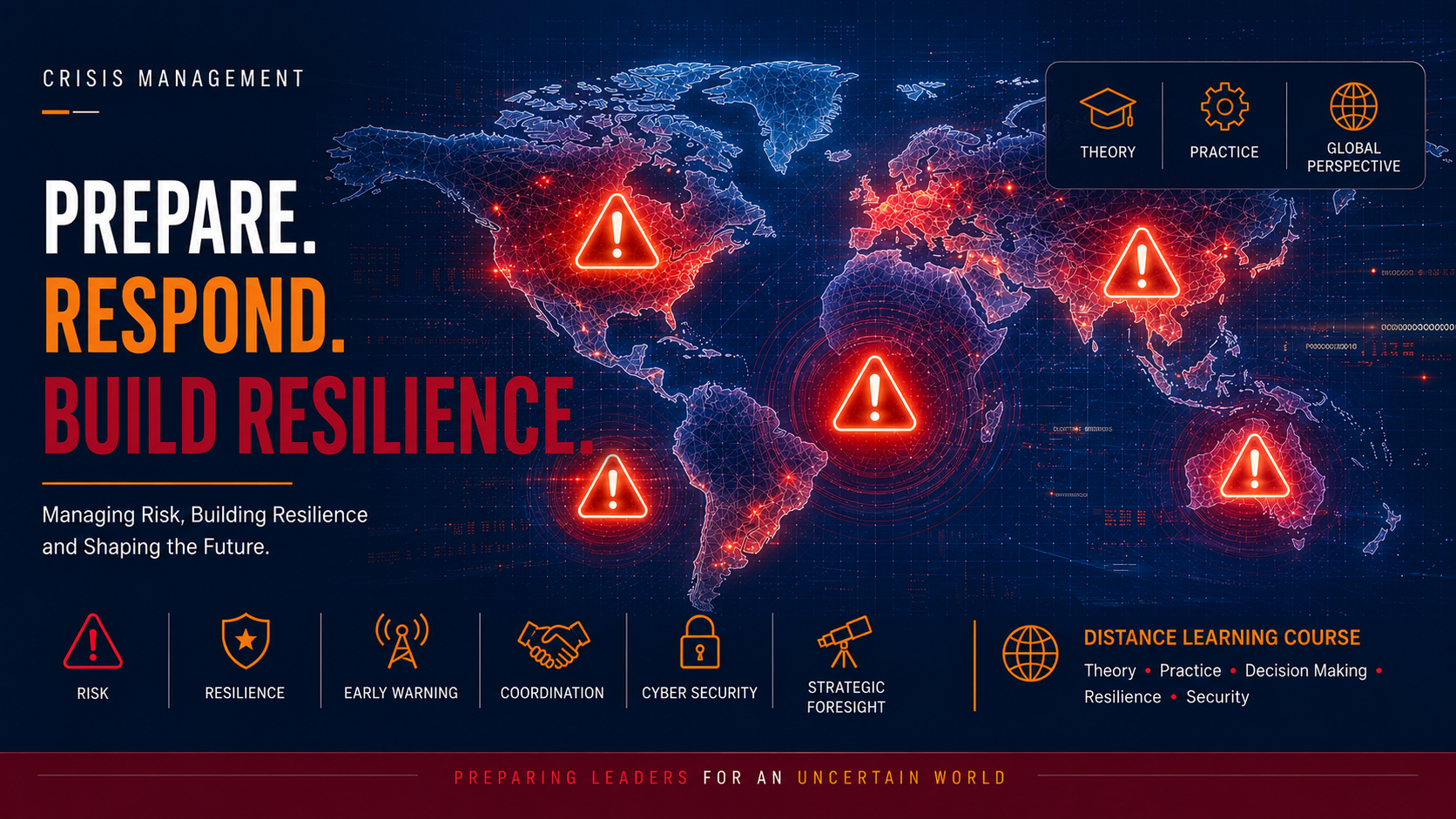
The Crisis Management course provides a comprehensive introduction to the principles, processes, and practical applications of crisis management in organizations, public administration, and society. Students will develop an understanding of crisis development, risk assessment, crisis communication, organizational resilience, decision-making, and global crisis governance while learning how to respond effectively to complex and uncertain situations.
- Garant: Monika Jadrná


Information Management course equips master’s students with a systems-thinking toolkit for leading software-intensive projects from concept to procurement. Across four online teaching blocks the course introduces Object-Process Methodology (OPM) for modelling structure, behaviour and cost; industry sizing techniques such as COCOMO II and Function Points; and the governance roles of the project manager, consultant and CIO. Each student develops an individual project: an OPM model of a real information system, its animated simulation, calibrated cost sheet and a draft Request-for-Proposal suitable for vendor selection.
- Garant: Vojtěch Merunka

The on-line course provides students with a thorough understanding of information systems in business environment. It covers the information systems from their definitions and foundational concepts, through their components and parts to their implementation and operation. The course combines theoretical knowledge with practical applications in a form of case studies.
- Garant: Marie Šimpachová Pechrová

- Garant: Lucie Severová
- Pedagog: Elizbar Rodonaia
- Pedagog: Petr Wawrosz

- Garant: Petr Wawrosz
- Pedagog: Elizbar Rodonaia
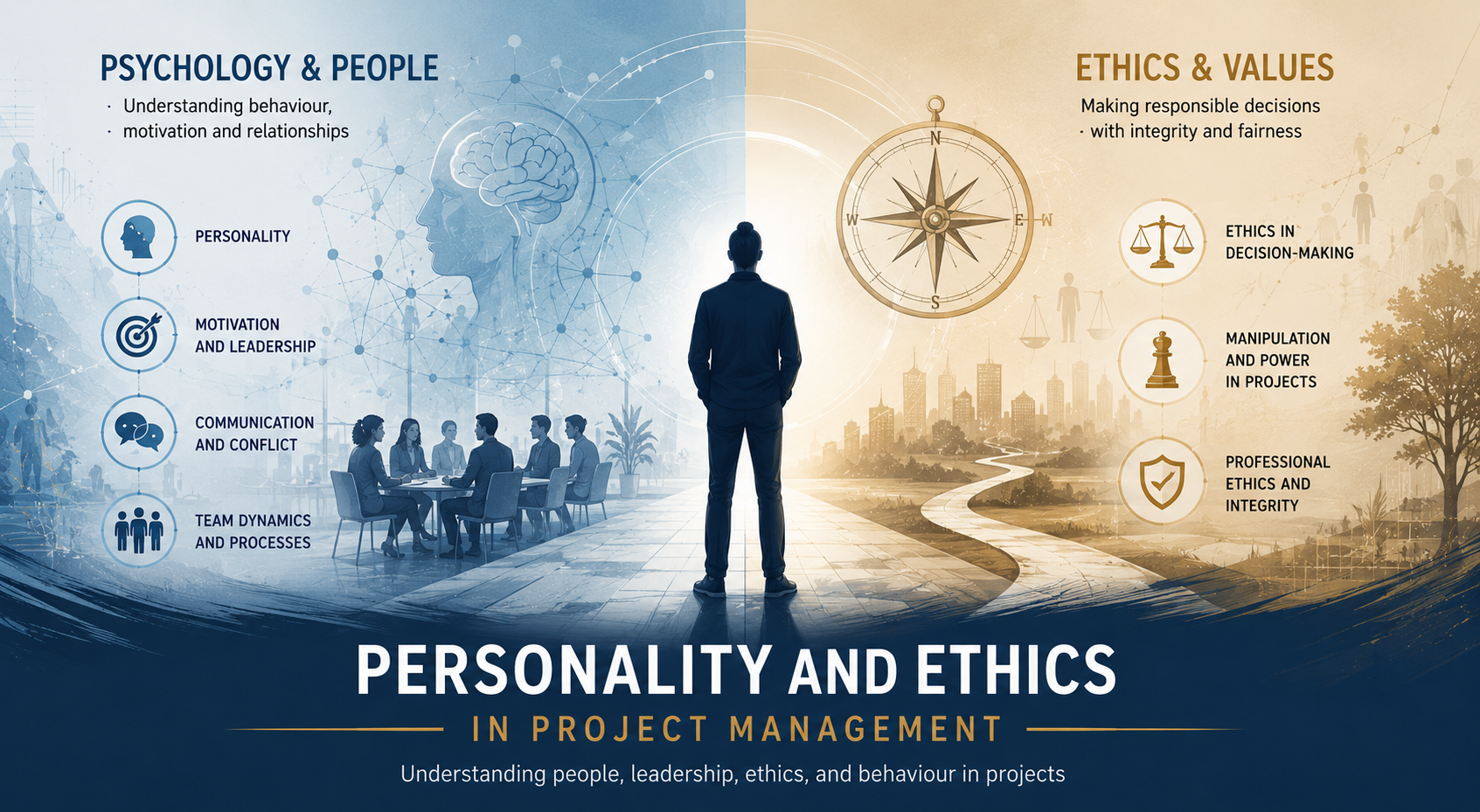
This course offers a comprehensive introduction to the psychological and ethical dimensions of project management in 8 blocks. It equips students with the knowledge to apply key concepts from personality psychology, motivation, communication, group dynamics, and ethical theories to real-world project scenarios. Emphasis is placed on self-reflection, ethical decision-making, and the cultivation of trust and integrity in project leadership.
- Garant: Irena Bartošková Cejpová



E-learning Course: Portfolio and Program Management
Welcome to the methodological and content design of the university e-learning course of Program and Portfolio Management in Project Management field.
The course is designed in accordance with The Standard for Portfolio Management – Fourth Edition (PMI) and The Standard for Program Management – Fifth Edition (PMI, 2024).
- Garant: Jan Bartoška

- Garant: Jan Rydval
- Pedagog: Jiří Fejfar
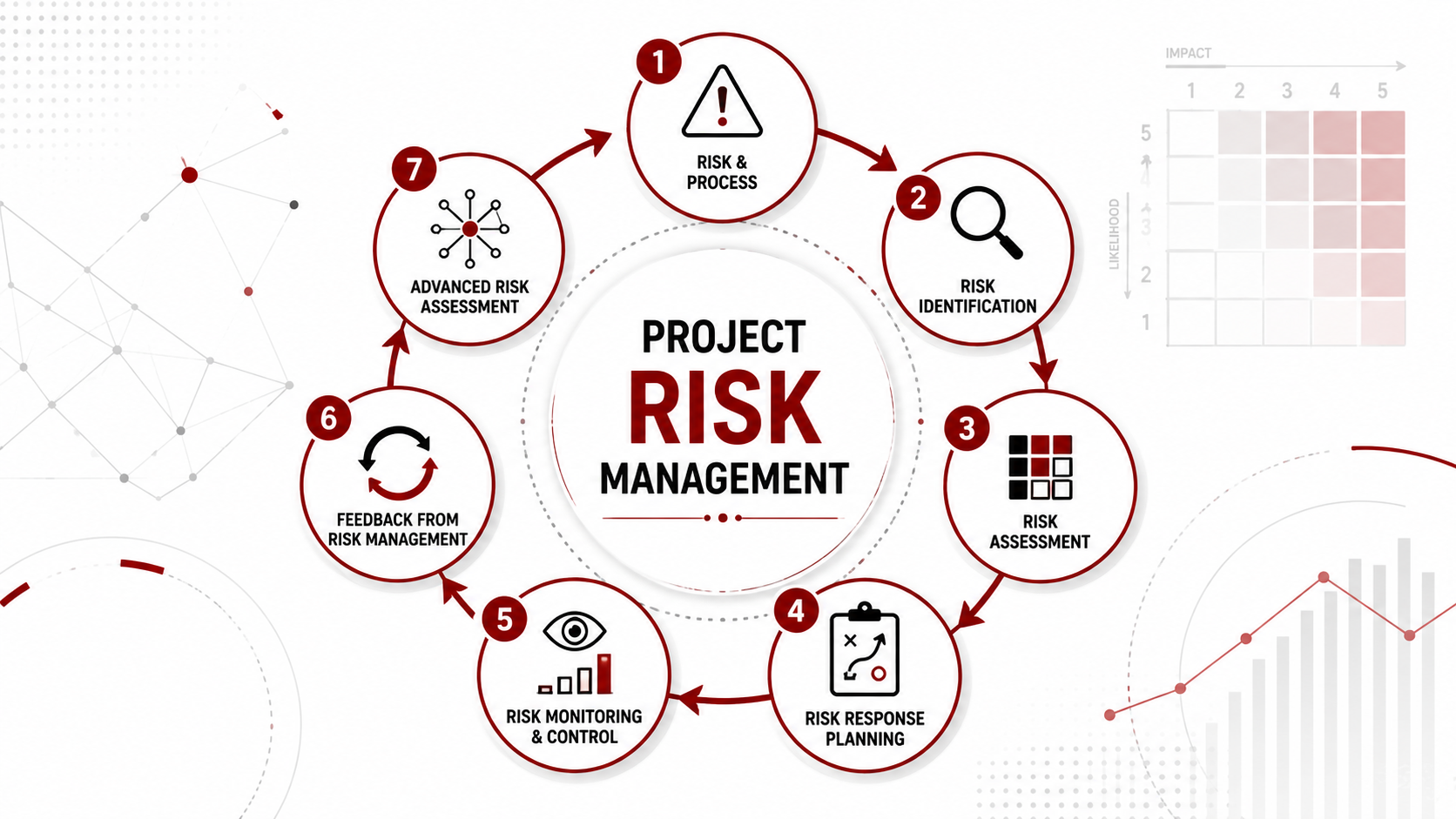
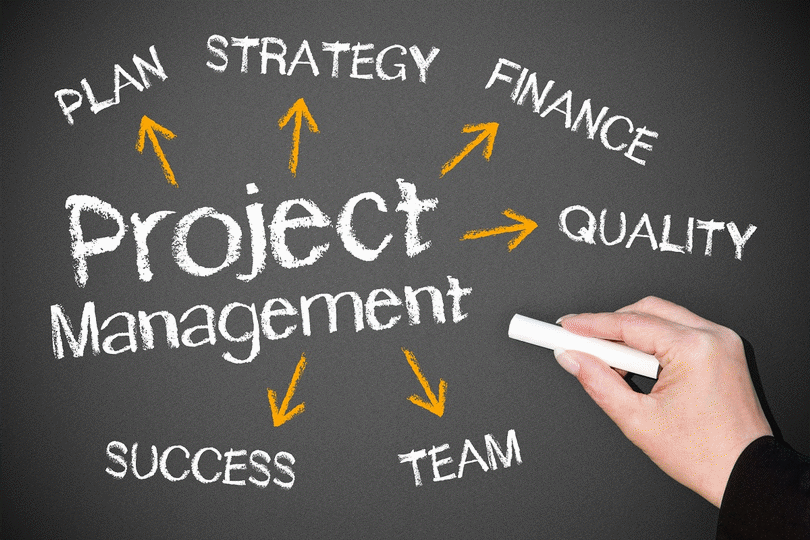
A 12-week comprehensive learning journey through Waterfall, Agile, and Hybrid approaches which will help to prepare for a project management certification.
- Garant: Jan Bartoška

The online course introduces students to essential software tools for project planning, management, and monitoring in both waterfall and agile environments. Students gain hands-on experience with tools like MS Excel, MS Project, Jira, Trello, Asana, Planner, and Lynx.
- Garant: Jan Rydval
- Pedagog: Jiří Fejfar